



If you have been investing in SEO and still not seeing the results you expected, E-E-A-T might be the missing piece of the puzzle.
Google has always been in the business of trust. It wants to send its users to websites that actually know what they are talking about, not just websites that have stuffed the right keywords into their content. And in 2026, with AI-generated content flooding the internet, Google’s trust signals have become more critical than ever before.
So what exactly is E-E-A-T, and why should every Indian business owner care about it?
What Is E-E-A-T?
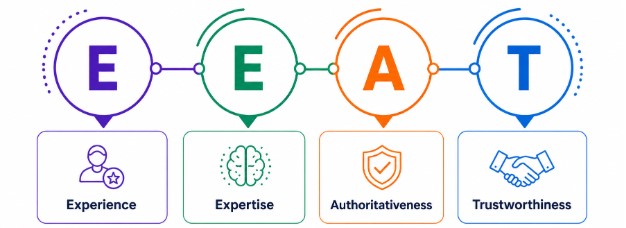
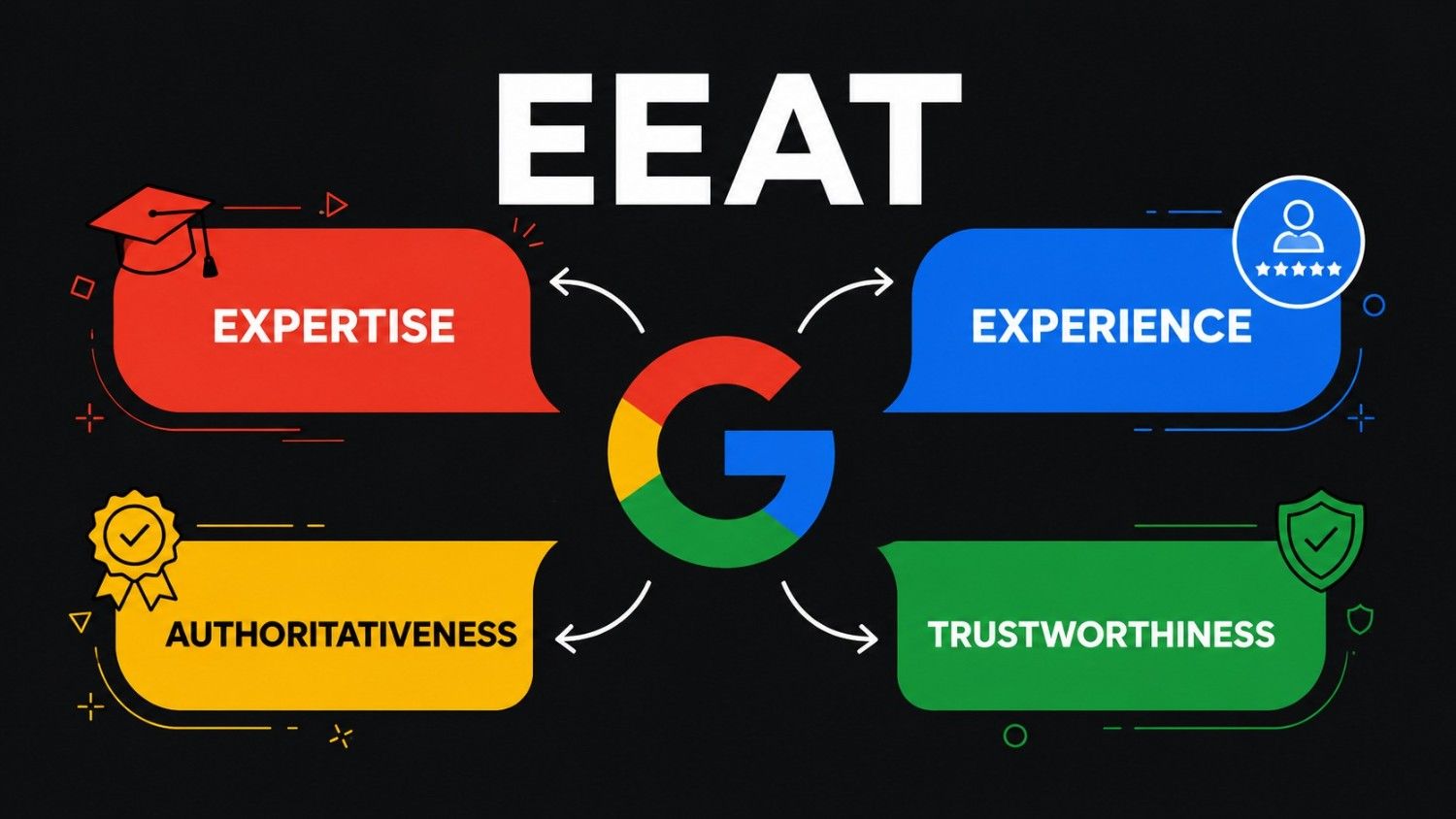
E-E-A-T stands for Experience, Expertise, Authoritativeness, and Trustworthiness. It is a framework Google uses through its Search Quality Rater Guidelines to evaluate the quality and credibility of web content.
Here is what each element means in plain terms:
- Experience – Has the person who wrote this actually done the thing they are writing about? A travel blog written by someone who visited the place carries more weight than one written by someone who just read about it.
- Expertise – Does the author have the knowledge and skills to speak credibly on this topic? Medical advice should come from doctors. Financial guidance should come from qualified professionals.
- Authoritativeness – Is your brand or website recognised as a go-to source in your industry? Are others linking to you, citing you, or referencing your work?
- Trustworthiness – Is your website safe, transparent, and honest? Do you have clear contact details, a privacy policy, and accurate information?
Trustworthiness sits at the centre of the whole framework. Without it, the other three signals lose their value entirely.
Why E-E-A-T Matters More in 2026?
When Google first introduced E-A-T (without the first E), the internet was a different place. Today, anyone can publish content instantly, and with AI tools, they can publish a lot of it very fast.
Google knows this. That is exactly why it added “Experience” to the framework. It is one signal that is genuinely hard to fake. Real experience leaves traces, specific details, first-hand observations, and honest opinions. AI-generated fluff does not.
For businesses in India competing online, this shift is significant. It means that ranking well is no longer just about technical SEO or backlinks. It is about demonstrating that real people with real knowledge are behind your content.
How E-E-A-T Affects Your Rankings?
E-E-A-T is not a direct ranking factor in the way that page speed or mobile-friendliness is. Google does not assign you an E-E-A-T score. It uses these signals collectively to judge content quality, and that judgment directly influences where your pages appear in search results.
Websites that score high on E-E-A-T tend to:
- Rank more consistently, even after algorithm updates
- Appear in AI Overviews and featured snippets more often
- Build stronger organic traffic over time without relying on paid ads
- Recover faster from Google core updates compared to low-trust sites
Industries like healthcare, finance, legal services, and education are held to an even higher standard. Google calls these YMYL (Your Money or Your Life) topics. If your business operates in any of these spaces, E-E-A-T is not optional.
The E-E-A-T Reality Check
Most businesses assume they already meet Google’s trust standards. Here is a more honest way to look at it:
Ask yourself:
- Do your blog posts and service pages mention who wrote them?
- Does your author have a bio that reflects their real credentials?
- Are credible external websites linking to or mentioning your brand?
- Is your business information – address, phone number, email consistent and easy to find?
- Do you have genuine customer reviews on Google, Justdial, or industry platforms?
If the answer to most of these is no, your content may be losing ground to competitors who have quietly built these trust signals into their digital presence.
Building E-E-A-T: Where to Start?
Improving your E-E-A-T does not require a complete website overhaul. It requires consistency and intent.
Start with your content – add proper author bylines with real credentials. Write from genuine experience, not just research. Update old content to reflect current information rather than letting it go stale.
Build your brand’s presence beyond your website. Get mentioned on industry publications, participate in relevant online communities, and earn backlinks from sources your audience already trusts.
Finally, take your website’s technical trust signals seriously. An SSL certificate, a clear privacy policy, fast load times, and accurate business information all contribute to how Google perceives your site’s reliability.
None of this happens overnight. But every step you take toward building genuine authority compounds over time.
Is Your Website Sending the Right Trust Signals to Google?
At MIAAKA Tech, we help businesses across India build SEO strategies rooted in long-term authority, not shortcuts that stop working after the next algorithm update. From content strategy to technical SEO, we make sure Google sees your brand the way your best customers already do.
If you are ready to build a digital presence that Google genuinely trusts, let’s start the conversation.